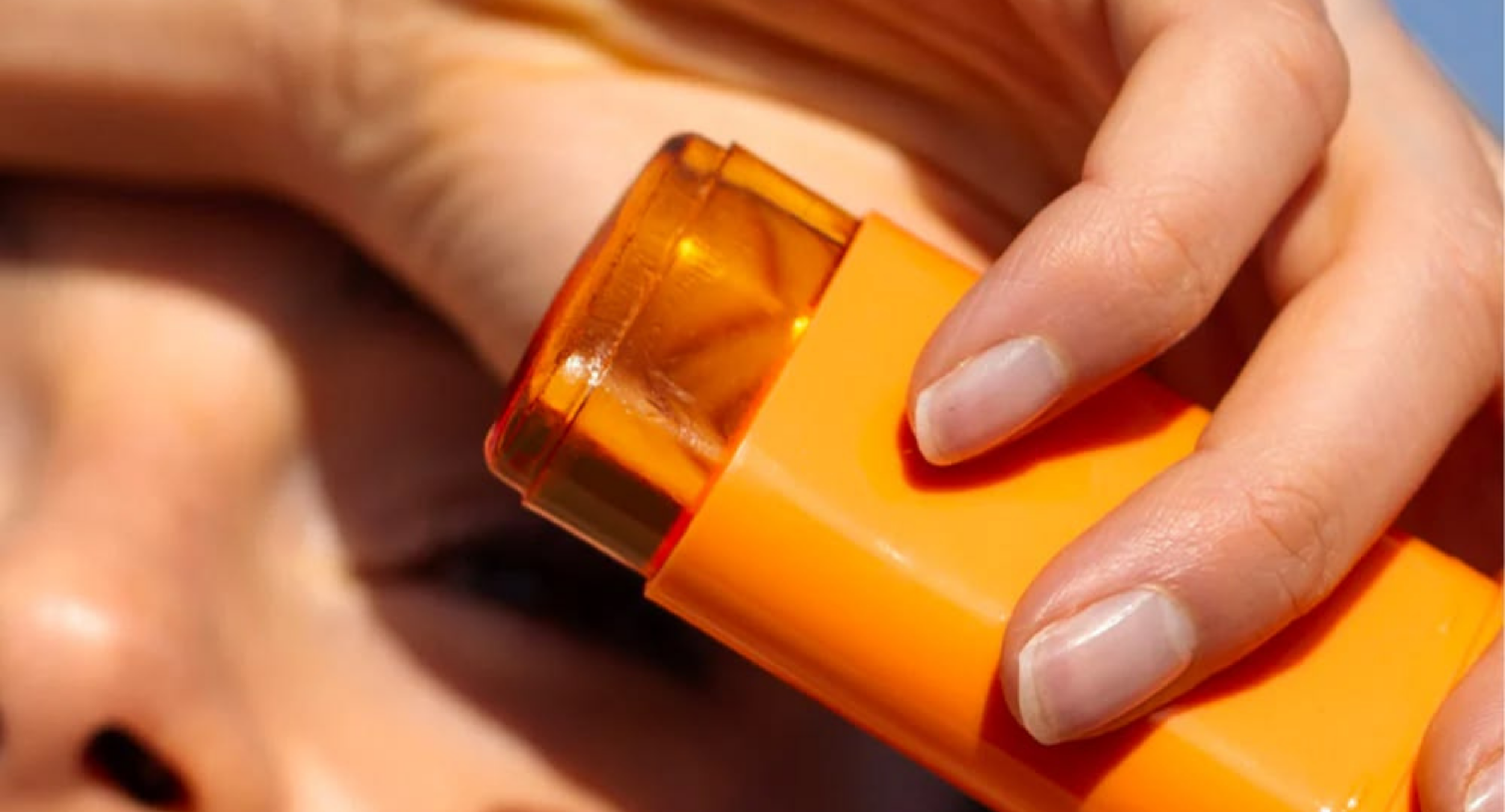
Walk into any beauty store right now and you'll find sunscreen sticks everywhere. They're marketed as the ultimate mess-free SPF: perfect over makeup, ideal for travel, and easy to reapply throughout the day. But here's the question that actually matters:
Are sunscreen sticks giving you the SPF protection printed on the label, or are they another skincare trend that's more convenient than effective?
Let's break down the science.
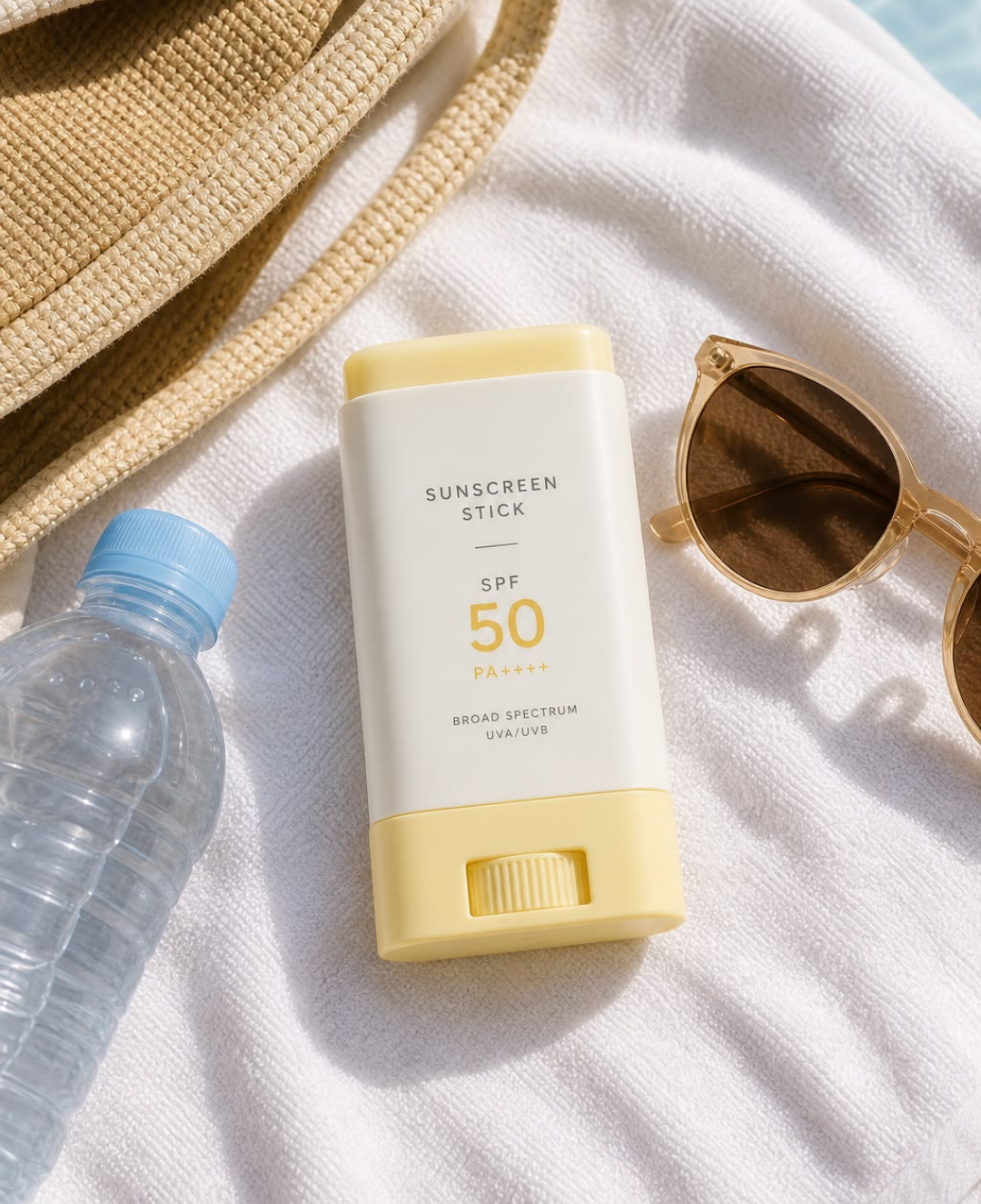
SPF Sticks: The Newest Obsession
Sunscreen sticks solve one of the biggest problems with sun protection: reapplication.
Most dermatologists agree that reapplying sunscreen every two hours is essential if you're spending time outdoors. The problem? Almost nobody wants to smear a cream over makeup. That's where sticks shine.
They're compact, less messy than creams, excellent for quick touch-ups…
They're designed for convenience, not necessarily for replacing your morning sunscreen.
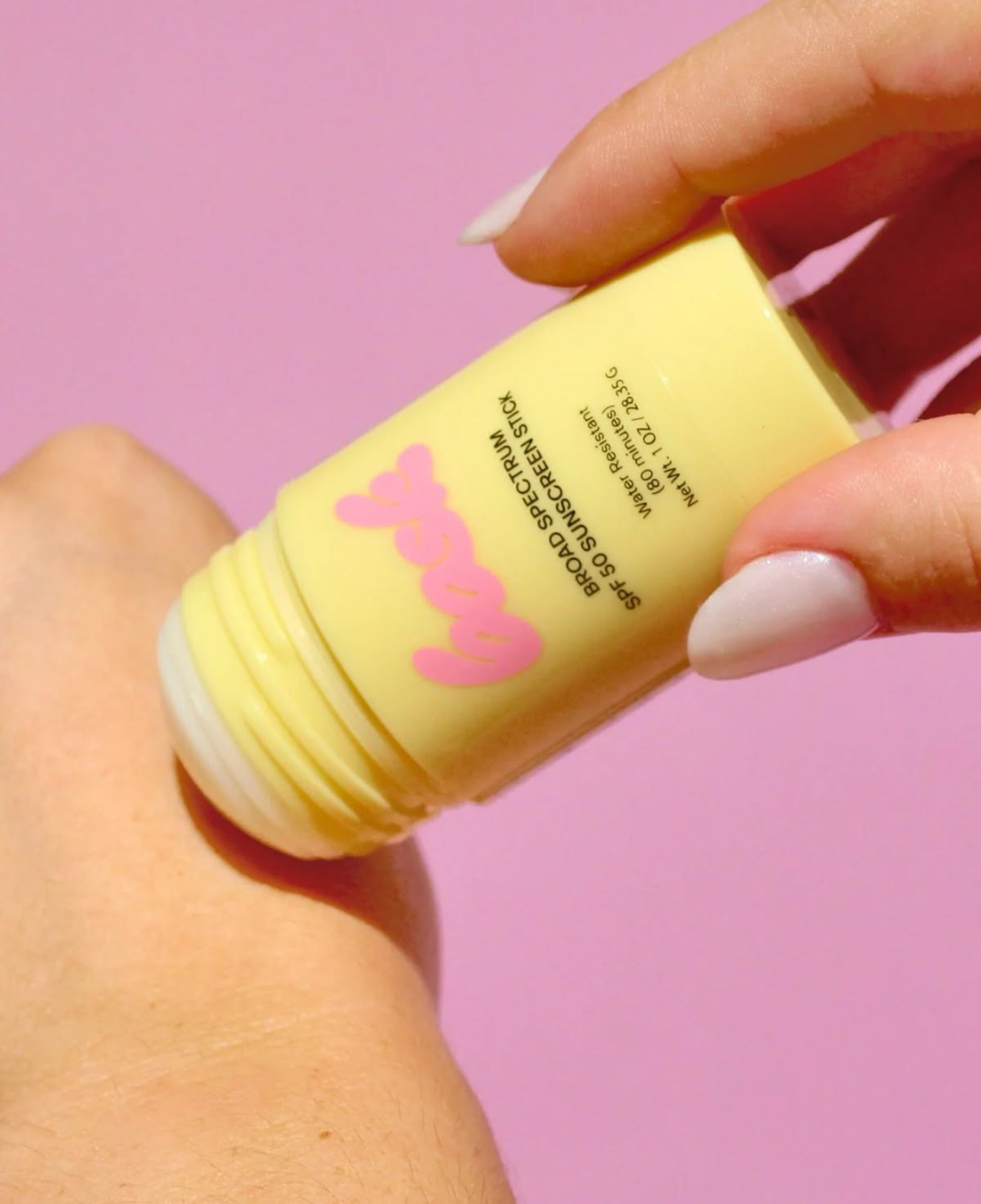
Do sunscreen sticks actually provide the SPF on the label?
The SPF printed on the packaging is measured under laboratory conditions, where a very specific amount of sunscreen is applied: 2 mg of product per square centimeter of skin.
With creams, people already tend to underapply. With sticks, underapplication is even more common because one or two quick swipes simply don't deposit enough product.
Several studies examining real-world application found that sunscreen sticks often produce much thinner coverage than lotions unless they're applied repeatedly.
How to Apply Enough?
There isn't one universal number because every stick has:
a different diameter
a different hardness
a different wax concentration
However, research and dermatologist recommendations generally suggest multiple passes over every area of the face, often around 4 to 8 back-and-forth swipes per section, to approach the tested SPF.
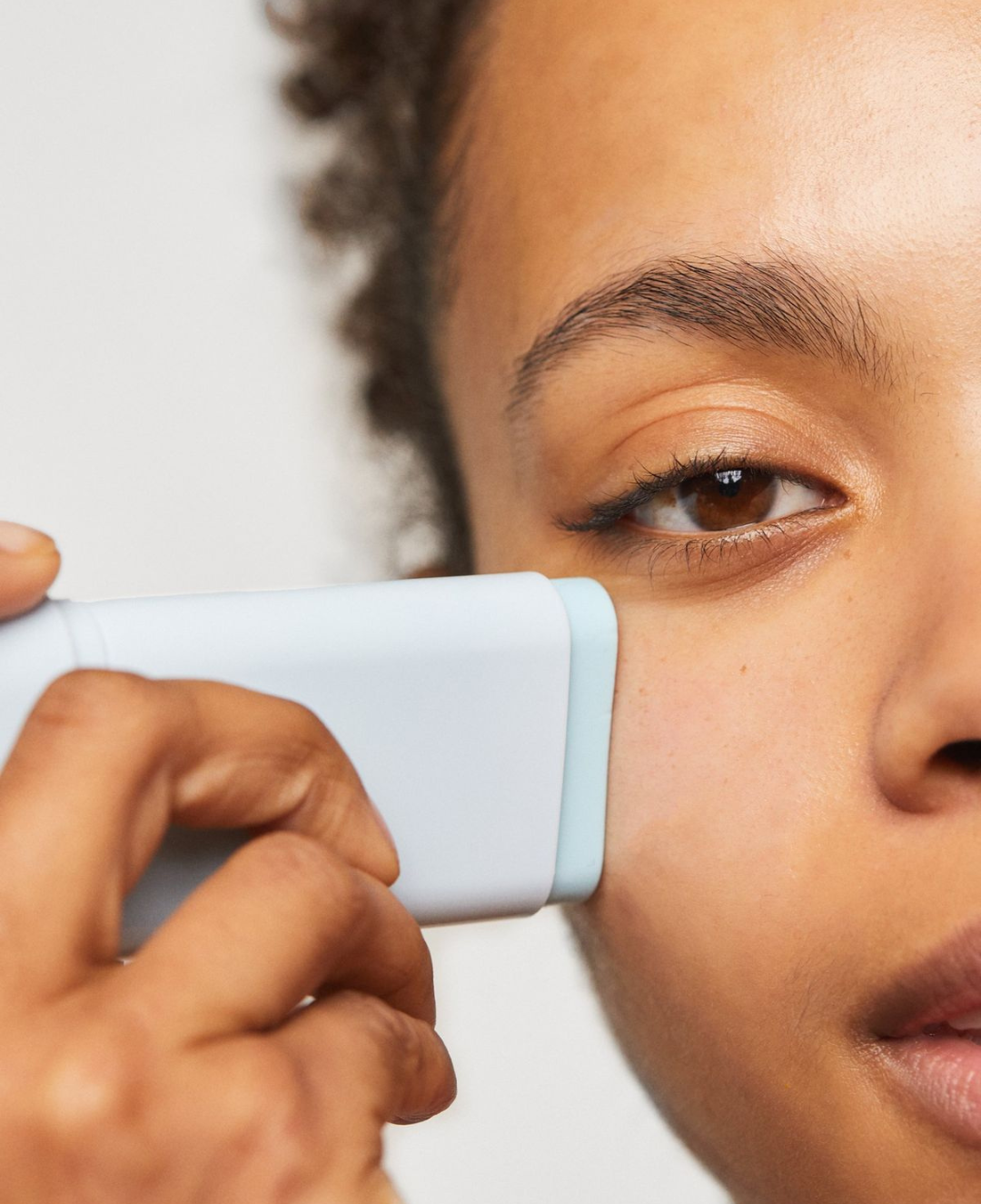
Are sunscreen sticks good for acne-prone skin?
They can be. Whether a stick is acne-friendly depends on the entire formulation rather than the format itself.
Many modern sunscreen sticks use lightweight emollients and non-comedogenic silicones, making them suitable even for oily or acne-prone skin.
That said, if you're extremely acne-prone, it's still worth checking for richer oils or highly comedogenic ingredients within the full ingredient list.
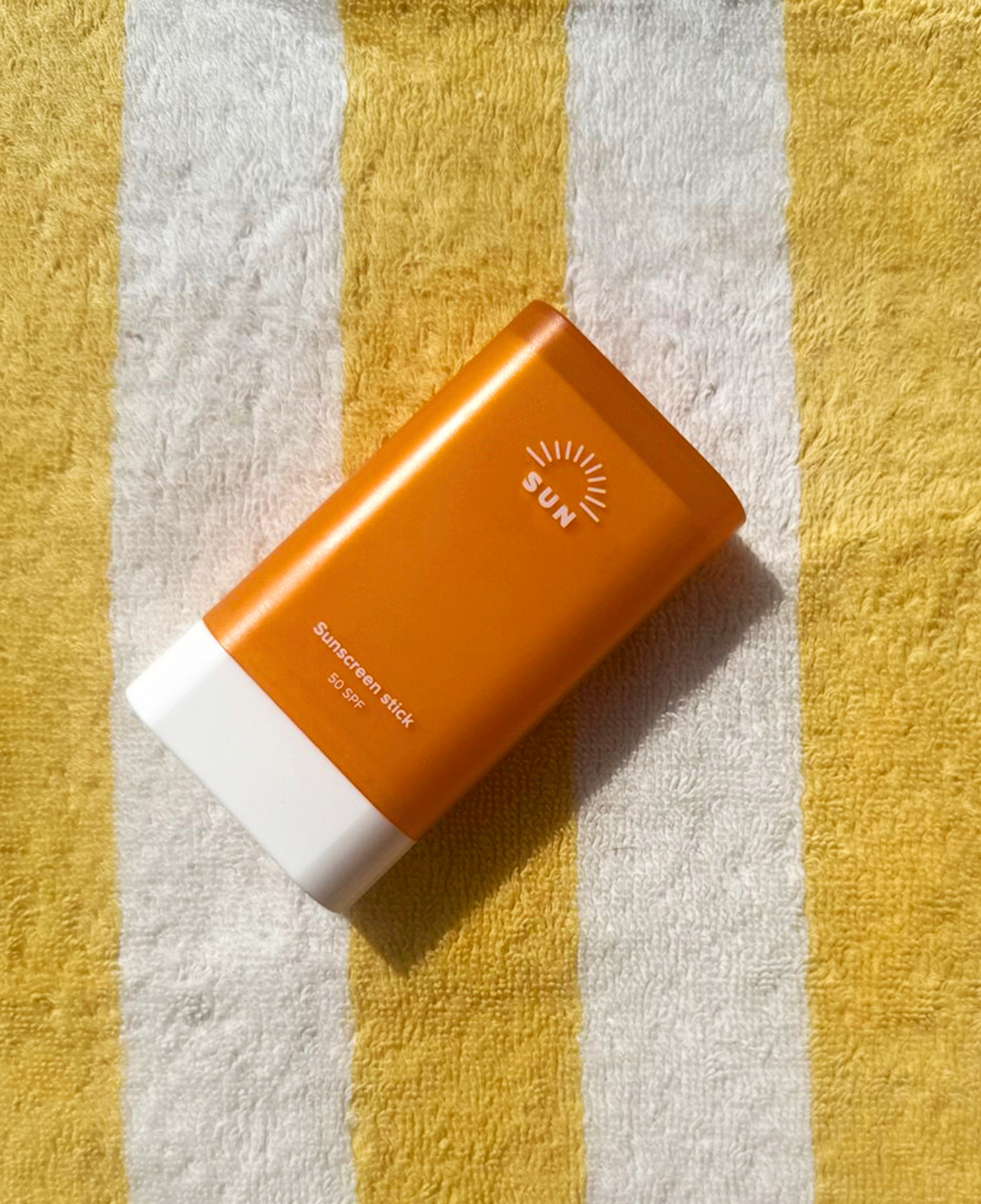
Something Most People Don’t Think About…
Because sunscreen sticks are applied directly onto the face, some people worry about hygiene.
If you constantly swipe it over sweat, makeup, sand, etc, the bacteria will be growing on the product waiting for the next contact with your skin. This can lead to irritation and inflammation.
It's a good idea to wipe the surface clean before using it again.
So... should you replace your sunscreen with a stick?
Not really. The best strategy is:
Morning: Apply a generous amount of a traditional sunscreen lotion or cream.
During the day: Use a sunscreen stick for convenient reapplication, especially over makeup.
This approach gives you the best of both worlds: reliable initial protection and a much higher chance that you'll actually keep reapplying.
Stay updated by following our Instagram @themodernstylemuse .
Don’t miss out - catch up with the latest articles below!